Table of Contents
- – The Hidden Weight of Inherited Pain
- – Why Typical Talk Therapy Often Falls Short
- – Somatic Treatment: Reconnecting Mind and Body
- – EMDR: Reprocessing Trauma at the Source
- – The Perfectionism-Burnout Cycle
- – Relationship Problems as Trauma Reenactment
- – Finding Culturally-Informed Assistance
- – Beginning Your Recovery Trip
Intergenerational injury doesn't announce itself with fanfare. It shows up in the perfectionism that keeps you burning the midnight oil into the evening, the burnout that feels difficult to drink, and the relationship disputes that mirror patterns you swore you would certainly never ever duplicate. For lots of Asian-American households, these patterns run deep-- passed down not through words, however via unmentioned expectations, suppressed feelings, and survival approaches that once secured our ancestors and now constrict our lives.
The Hidden Weight of Inherited Pain
Intergenerational injury refers to the psychological and psychological injuries transmitted from one generation to the next. When your grandparents survived battle, displacement, or persecution, their bodies discovered to exist in a constant state of hypervigilance. When your parents came in and encountered discrimination, their nerve systems adapted to continuous stress. These adjustments do not simply disappear-- they become inscribed in household characteristics, parenting designs, and also our organic stress and anxiety feedbacks.
For Asian-American neighborhoods specifically, this trauma usually manifests with the model minority misconception, psychological reductions, and a frustrating stress to attain. You might discover yourself incapable to commemorate successes, constantly moving the goalposts, or feeling that rest amounts to laziness. These aren't personal failings-- they're survival devices that your nerves inherited.
Why Typical Talk Therapy Often Falls Short
Several people invest years in conventional talk therapy reviewing their youth, evaluating their patterns, and gaining intellectual insights without experiencing meaningful adjustment. This takes place due to the fact that intergenerational trauma isn't kept largely in our thoughts-- it resides in our bodies. Your muscle mass keep in mind the stress of never being fairly adequate. Your gastrointestinal system carries the stress and anxiety of unmentioned family members expectations. Your heart rate spikes when you anticipate disappointing somebody important.
Cognitive understanding alone can not release what's held in your nerve system. You could recognize intellectually that you are entitled to rest, that your well worth isn't linked to efficiency, or that your parents' objection came from their own discomfort-- yet your body still reacts with anxiety, pity, or exhaustion.
Somatic Treatment: Reconnecting Mind and Body
Somatic therapy comes close to trauma with the body as opposed to bypassing it. This healing approach recognizes that your physical feelings, motions, and nerves reactions hold vital information about unsettled trauma. Rather than only discussing what happened, somatic therapy aids you see what's happening inside your body today.
A somatic therapist may guide you to see where you hold tension when discussing household assumptions. They could help you discover the physical sensation of anxiousness that arises in the past crucial discussions. Through body-based techniques like breathwork, mild motion, or basing workouts, you begin to manage your nerves in real-time instead of just comprehending why it's dysregulated.
For Asian-American customers, somatic therapy uses particular advantages since it does not require you to vocally refine experiences that your culture may have taught you to keep exclusive. You can heal without having to verbalize every detail of your household's discomfort or immigration story. The body talks its very own language, and somatic work honors that interaction.
EMDR: Reprocessing Trauma at the Source
Eye Activity Desensitization and Reprocessing (EMDR) represents one more powerful approach to recovery intergenerational trauma. This evidence-based treatment makes use of reciprocal excitement-- typically directed eye activities-- to help your mind recycle terrible memories and inherited tension responses. Unlike typical therapy that can take years to create results, EMDR usually creates substantial shifts in fairly couple of sessions.

EMDR jobs by accessing the way injury gets "" stuck"" in your nerve system. When you experienced or taken in intergenerational discomfort, your mind's regular handling devices were bewildered. These unrefined experiences remain to set off contemporary responses that really feel disproportionate to present circumstances. Via EMDR, you can lastly complete that processing, permitting your anxious system to release what it's been holding.
Research reveals EMDR's efficiency expands beyond individual injury to inherited patterns. When you process your own experiences of objection, stress, or emotional overlook, you concurrently begin to disentangle the generational strings that produced those patterns. Numerous customers report that after EMDR, they can finally set borders with relative without debilitating sense of guilt, or they discover their perfectionism softening without mindful effort.
The Perfectionism-Burnout Cycle
Perfectionism and exhaustion develop a vicious circle especially common among those bring intergenerational injury. The perfectionism usually originates from an unconscious belief that flawlessness could ultimately earn you the unconditional approval that really felt lacking in your family members of beginning. You work harder, accomplish extra, and increase bench again-- wishing that the following achievement will quiet the inner guide saying you're insufficient.
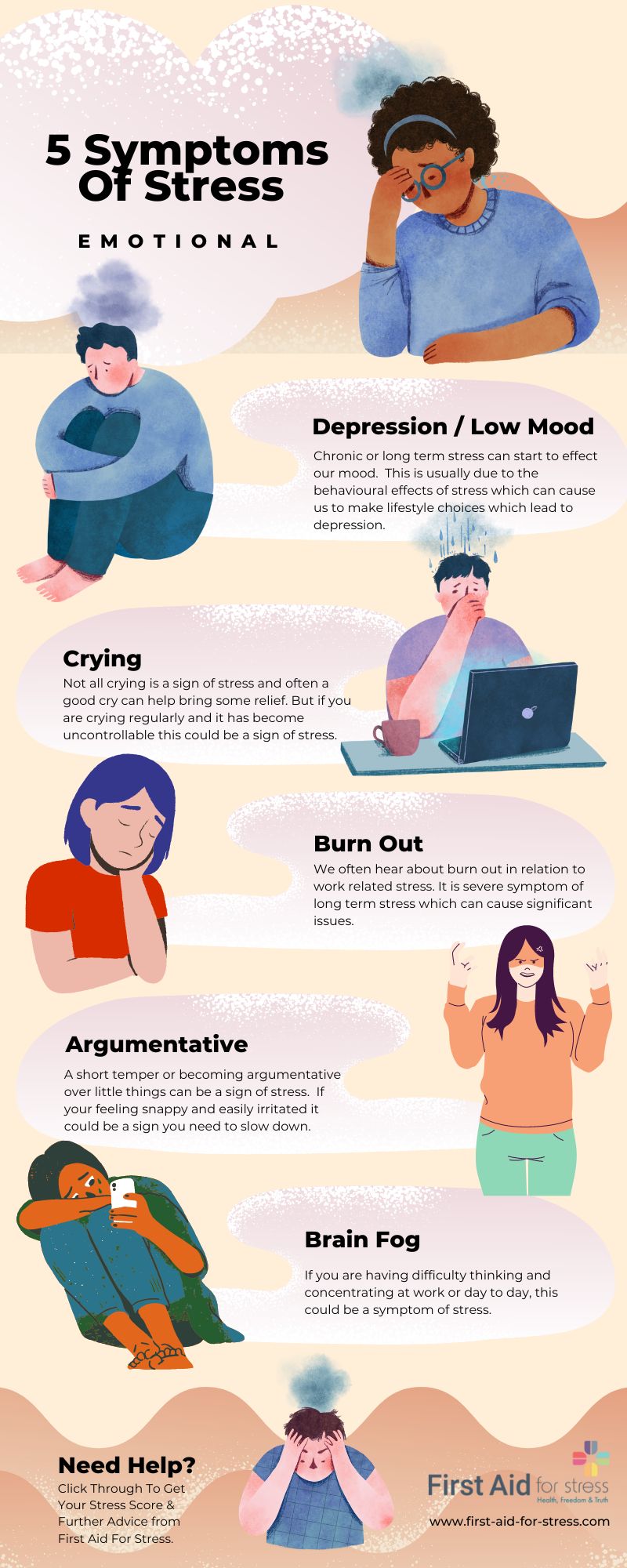
However perfectionism is unsustainable by layout. It leads certainly to burnout: that state of psychological exhaustion, cynicism, and minimized performance that no quantity of trip time appears to cure. The fatigue then triggers pity concerning not being able to "" handle"" everything, which fuels a lot more perfectionism in an attempt to confirm your worth. Round and round it goes.
Breaking this cycle calls for resolving the injury underneath-- the internalized messages about conditional love, the acquired hypervigilance, and the nerves patterns that correspond rest with danger. Both somatic therapy and EMDR succeed at disrupting these deep patterns, allowing you to lastly experience your integral merit without having to make it.
Relationship Problems as Trauma Reenactment
Intergenerational trauma does not remain had within your individual experience-- it undoubtedly turns up in your partnerships. You could find yourself brought in to companions who are mentally inaccessible (like a moms and dad who could not show affection), or you could come to be the pursuer, attempting frantically to obtain others to fulfill demands that were never ever met in childhood.
These patterns aren't aware options. Your nervous system is attempting to grasp old injuries by recreating comparable characteristics, expecting a various outcome. This typically implies you finish up experiencing familiar pain in your grown-up relationships: sensation unseen, fighting about that's ideal rather than seeking understanding, or turning between anxious attachment and emotional withdrawal.
Therapy that addresses intergenerational injury assists you identify these reenactments as they're happening. Much more importantly, it gives you tools to develop different actions. When you heal the original wounds, you quit automatically seeking partners or developing characteristics that replay your family members background. Your relationships can come to be areas of genuine link rather than trauma repetition.
Finding Culturally-Informed Assistance
Parts Work TherapyFor Asian-American individuals, dealing with specialists who recognize social context makes a substantial difference. A culturally-informed specialist identifies that your partnership with your moms and dads isn't just "" enmeshed""-- it mirrors social values around filial holiness and family members communication. They recognize that your hesitation to reveal feelings does not indicate resistance to treatment, however reflects social norms around emotional restraint and preserving one's honor.
Specialists concentrating on Asian-American experiences can aid you navigate the distinct stress of honoring your heritage while likewise recovery from elements of that heritage that create pain. They understand the stress of being the "" successful"" kid that lifts the entire family members, the complexity of intergenerational sacrifice, and the certain methods that bigotry and discrimination substance family trauma.
Beginning Your Recovery Trip
Healing intergenerational trauma isn't regarding blaming your parents or denying your cultural background. It's concerning finally taking down worries that were never ever your own to lug in the very first location. It's concerning enabling your nerve system to experience safety, so perfectionism can soften and exhaustion can heal. It has to do with developing partnerships based on genuine link instead of trauma patterns.
Therapy for PerfectionismWhether with somatic therapy, EMDR, or an integrated strategy, recovery is feasible. The patterns that have actually run with your family members for generations can quit with you-- not through willpower or more accomplishment, but through thoughtful, body-based handling of what's been held for also long. Your youngsters, if you have them, won't inherit the hypervigilance you lug. Your connections can end up being sources of genuine sustenance. And you can ultimately experience remainder without sense of guilt.
The job isn't very easy, and it isn't quick. But it is feasible, and it is profound. Your body has actually been awaiting the possibility to lastly release what it's held. All it requires is the ideal assistance to begin.

Table of Contents
- – The Hidden Weight of Inherited Pain
- – Why Typical Talk Therapy Often Falls Short
- – Somatic Treatment: Reconnecting Mind and Body
- – EMDR: Reprocessing Trauma at the Source
- – The Perfectionism-Burnout Cycle
- – Relationship Problems as Trauma Reenactment
- – Finding Culturally-Informed Assistance
- – Beginning Your Recovery Trip
Latest Posts
Personality Patterns in Psychodynamic Therapy for Intake and Assessment Services
Transitioning from Crisis to Wellness In Relationship Work
Processing Cultural Conflict Via Psychotherapy
Navigation
Latest Posts
Personality Patterns in Psychodynamic Therapy for Intake and Assessment Services
Transitioning from Crisis to Wellness In Relationship Work
Processing Cultural Conflict Via Psychotherapy